

Interview with Dora Jurković
Veterinary student & equine health researcher, Croatia
Introduction: "Hi, I'm Dora, a veterinary student from Croatia with a strong interest in equine health and welfare. Working closely with horses has led me to develop a particular interest in digestive health, as I have noticed how many horses react to stress through their digestive system and how this can impact their performance."
Question 1: Can you explain what actually happens in a horse's hindgut when they're suddenly exposed to lush spring grass and why is it so potentially dangerous?
When a horse is suddenly exposed to lush spring grass, it is not just a change in diet, it is actually a big metabolic shift. Spring grass is rich in rapidly fermentable carbohydrates, such as fructans and a significant portion of these can bypass digestion in the small intestine and reach the hind gut. Once there, they are quickly fermented by the microbial population. The problem is that this happens too fast. Rapid fermentation results in increased acid production, the pH drops and the normal balance of the hindgut microbiome becomes disrupted. Fiber-digesting bacteria start to die, while acid-tolerant species take over. As bacteria die, they release endotoxins and the gut lining can become compromised. So what starts as a dietary change can turn into a cascade of events affecting the horse's whole system.
Question 1.2: Why is it so potentially dangerous?
It is dangerous because the effects don't stay local. Once you have acidosis, microbial imbalance and endotoxin release, this can trigger systemic inflammation. This is where we can see conditions like colic or even laminitis. What makes it tricky is that early signs can be subtle, maybe mild discomfort or a horse that feels "off", but in fact, internally significant changes are already happening. This needs to be taken seriously because it is not just about the stomach being upset. It can escalate into much more serious conditions if the hind gut isn't coping well.
Question 2: Fructans are often mentioned as a key concern in spring grass, how do they differ from other sugars, and why does the horse's digestive system struggle with them?
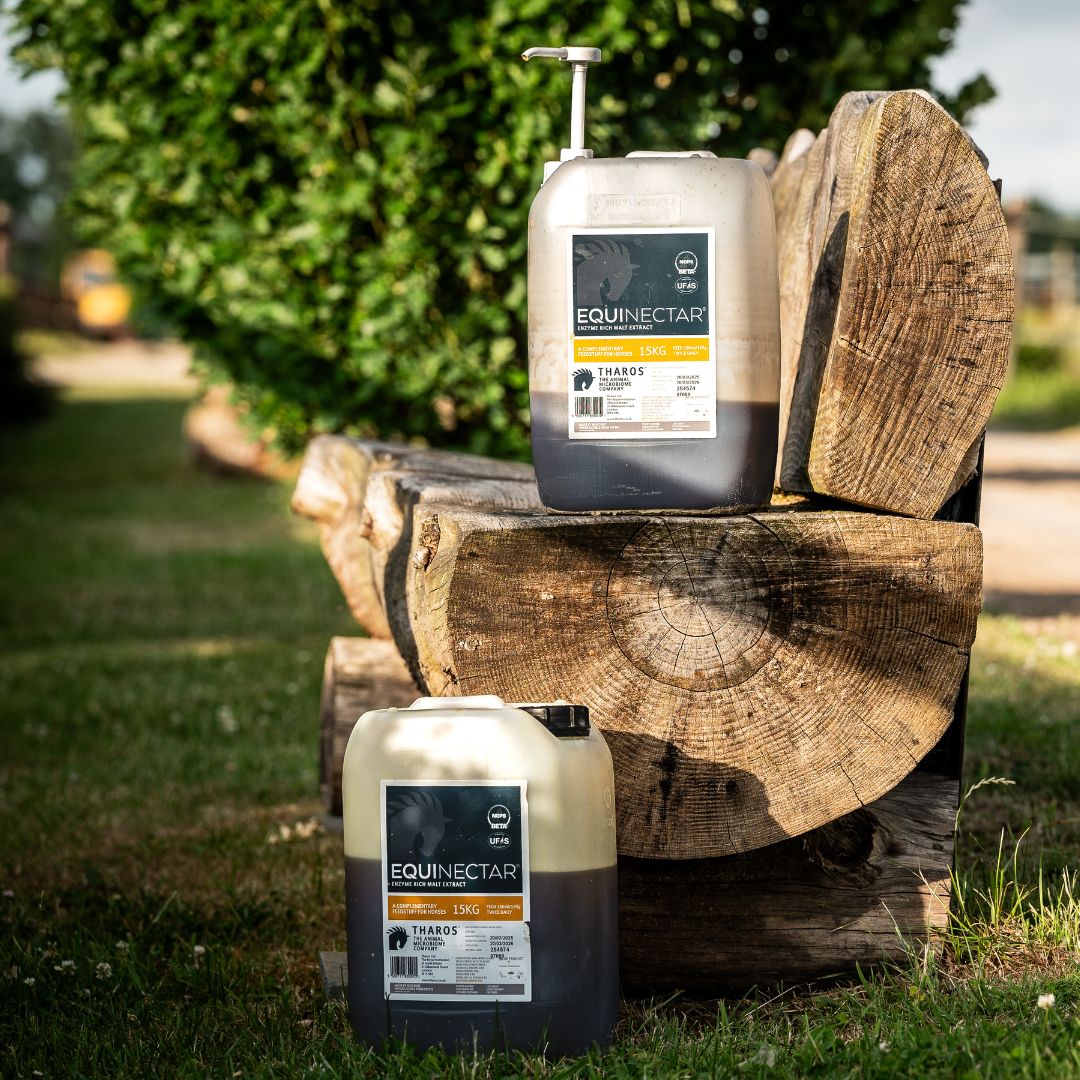
Fructans are different from simple sugars such as glucose and fructose because horses cannot digest them in the small intestine. Instead, fructans pass through the digestive tract and arrive in the hindgut, where they are rapidly fermented by microbes. When large amounts of fructans reach the hindgut, this rapid fermentation can disrupt the microbial balance, pH levels and increase the risk of digestive upset. Supporting fructans breakdown before they reach the hindgut may help reduce this burden. This is where products containing fructanase, such as EquiNectar, can be particularly useful, as they are designed to help break down fructans earlier in the digestive process and support hindgut stability during periods of high grass growth.
Early signs can be subtle — maybe mild discomfort or a horse that feels "off" — but internally, significant changes are already happening.
Question 3: What are the early warning signs that a horse is struggling with spring grass?
Some of the earliest signs that horses may be struggling with spring grass are often subtle behavioural and physical changes rather than obvious digestive symptoms. Owners may notice increased irritability or sensitivity under saddle, girthiness when tacking up, tenderness of the flanks, softer droppings, bloating or even unexpected difficulties maintaining canter. These signs can indicate that changes in the hindgut are affecting both comfort and performance.
More info here.
Question 3.1 :How can owners tell the difference between hindgut upset and something like ulcers?
One of the biggest challenges is that hindgut disturbances and gastric ulcers often present with very similar signs. Both can cause behavioural changes, poor performance, irritability, weight loss, sensitivity when being groomed and general signs of abdominal discomfort. There are some clues that may help. Horses with gastric ulcers more commonly show reduced appetite, reluctance to finish meals, weight loss or discomfort associated with feeding. The difficulty is that many horses can have both conditions at the same time, which is why clinical signs alone are often not enough for definite diagnosis. Veterinary examination and appropriate diagnosis remain the best way to determine whether the primary issue is gastric ulcers, hindgut disease or combination of both. For owners, the key is to pay attention to patterns rather than focusing on a single symptom.
Question 4 :Which horses are most at risk in spring, native breeds, good doers, those coming back into work, and should owners be managing them differently?
While certain groups deserve extra attention, the reality is that all horses experience a sudden dietary shift when spring grass emerges. Native breeds, ponies, good doers and horses with history of laminitis are often considered higher risk because they tend to gain weight easily and may be more sensitive to changes in sugar intake. Even fit competition horses can experience hindgut imbalance when pasture composition changes rapidly. Management should focus on gradual adaptation, maintaining adequate forage intake and supporting digestive function before problems arise rather than waiting for clinical signs to develop.
Question 5 :What role does the hindgut microbiome play in how well a horse copes with seasonal dietary changes, and can owners do anything to support it ahead of time?
The hindgut microbiome plays a vital role in helping horses adapt to seasonal dietary changes. A balanced microbial population supports efficient fiber digestion, digestive stability and overall gut health. The challenge is that the microbiome does not adapt overnight. As spring grass begins to grow and fructans levels increase, the hindgut microbial population needs time to adjust. This is why taking a proactive approach before the main spring grass flush can be beneficial. Owners can support the microbiome by maintaining consistent forage intake, introducing grazing gradually and considering digestive support ahead of the spring season. Starting digestive enzyme support, such as EquiNectar in late winter, often as early as February, may help prepare the digestive tract for the changes ahead by supporting fructan breakdown. This proactive approach can help maintain microbial balance and support a smoother transition into the grazing season.
Question 6: From your clinical experience, what's the most common mistake you see horse owners make in spring, and what's your single most important piece of advice to avoid it?
The most common mistake I see is waiting until a horse starts showing obvious signs of discomfort before taking action. By the time we notice changes in behaviour, droppings, performance or body condition, the hindgut microbiome may already have been under pressure for some time. If I could give owners one piece of advice, it would be: be proactive, not reactive. Spring grass doesn't arrive overnight, and neither do the challenges that come with it. Start preparing your horse before the grass really takes off. Small steps taken in late winter or early spring can make a big difference later on. It is always easier to maintain a healthy, balanced digestive system than it is to restore one that has already been disrupted.