

- by Ben Nedas
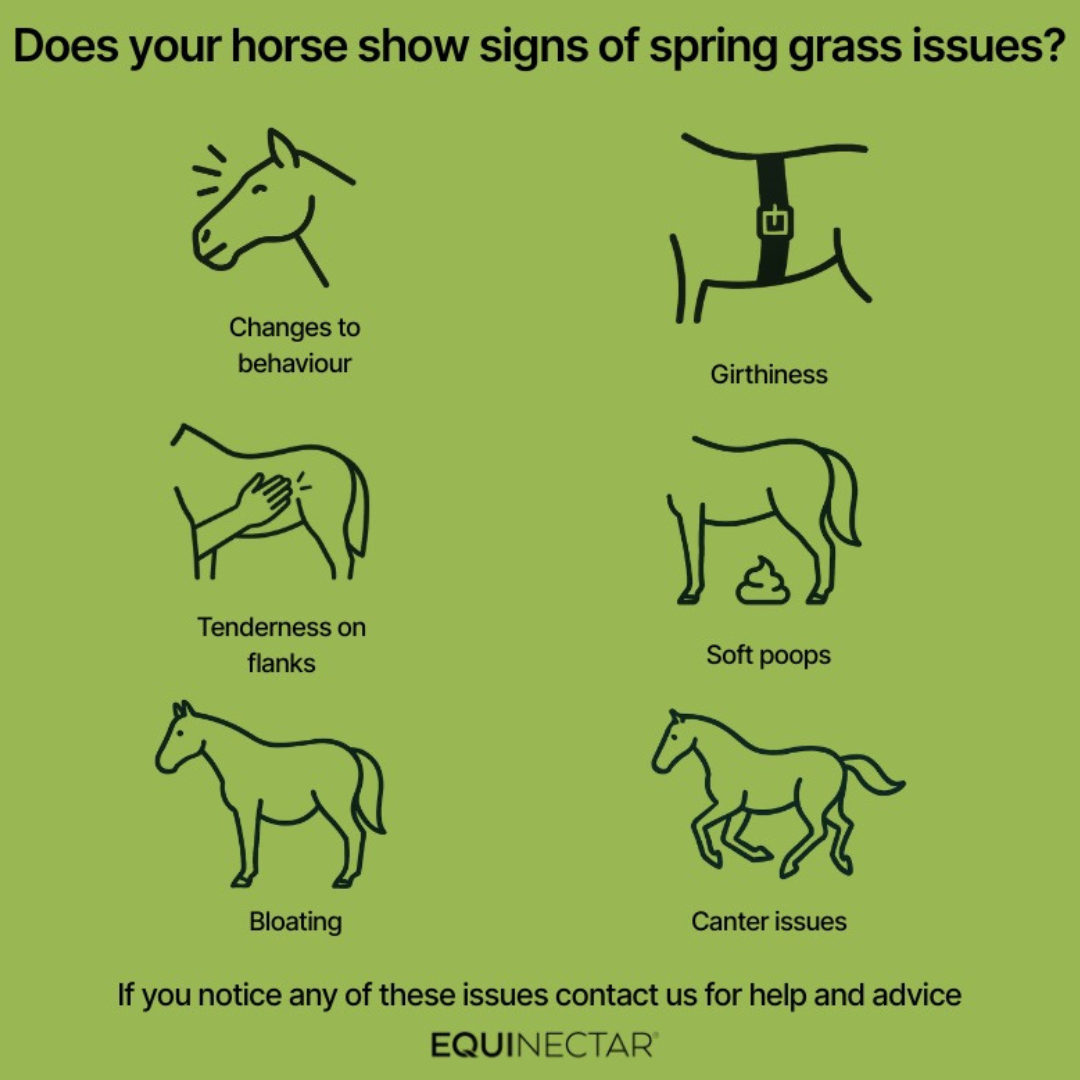
Six Subtle Signs Your Horse Might Be Struggling with Spring Grass
The sudden change from winter forage to sugar-rich spring grass can create significant digestive challenges, often manifesting in subtle ways that are easy to miss if you don’t know what to look for.
- by Eleni Makraki
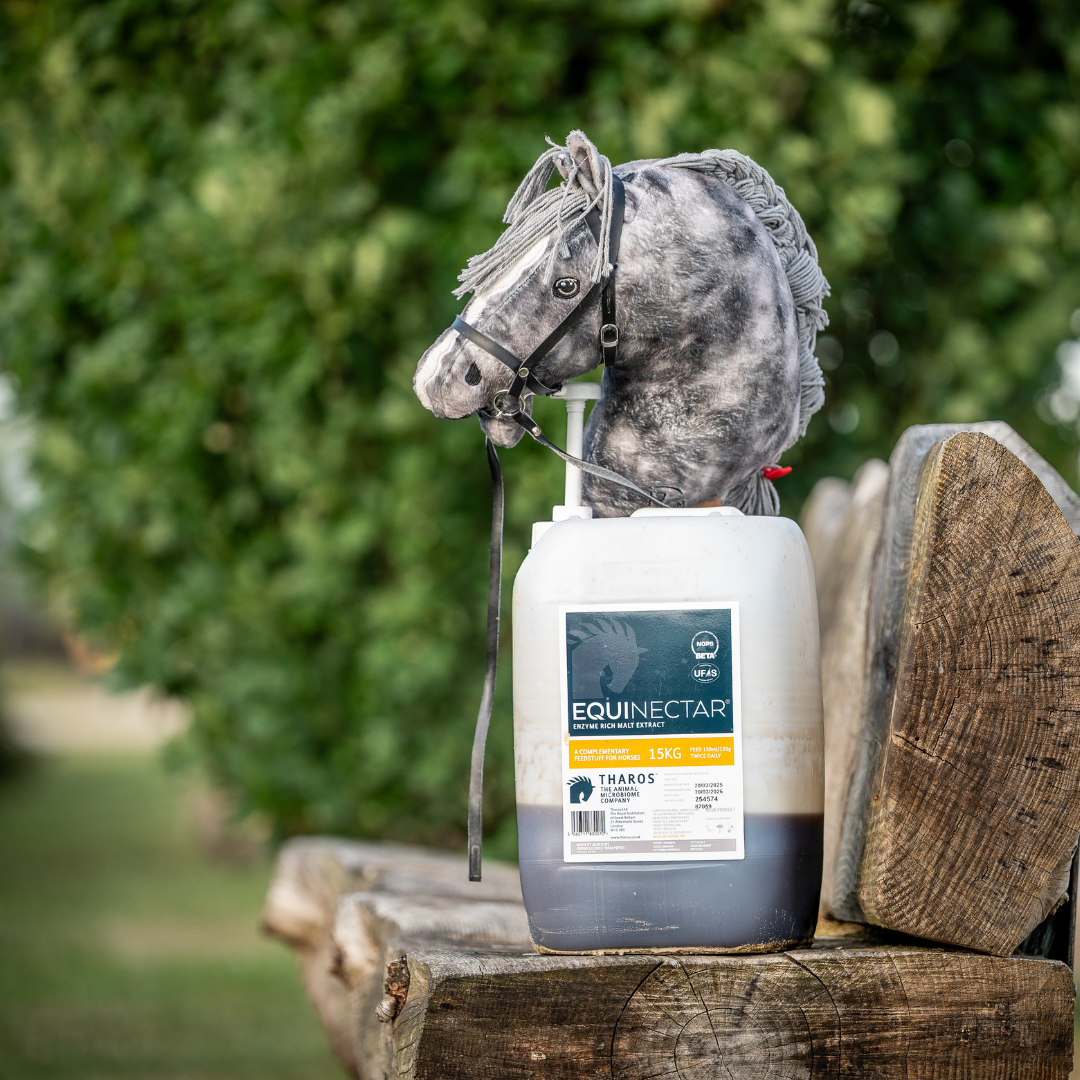
Spring Grass Management: Why EquiNectar is Valuable for Your Horse’s Digestive Health
As the first hints of spring begin to emerge across British pastures, horse owners face one of the most challenging transitions in the equine calendar.

- by Eleni Makraki
Help! My Sweet Horse Has Turned into a Spring Monster!
The sweet companion who normally greets you with gentle nickers is now pinning their ears, swishing their tail, and showing aggressive behaviours that leave you questioning everything you thought you knew about your equine partner.

- by Eleni Makraki
Autumn Grass Challenges for Horses: Navigating the Sugar Surge
Autumn grass poses challenges for horses due to high sugar content. Limit grazing time, especially in mornings and evenings. Use muzzles, provide low-sugar hay, and monitor body condition.
- by Ben Nedas
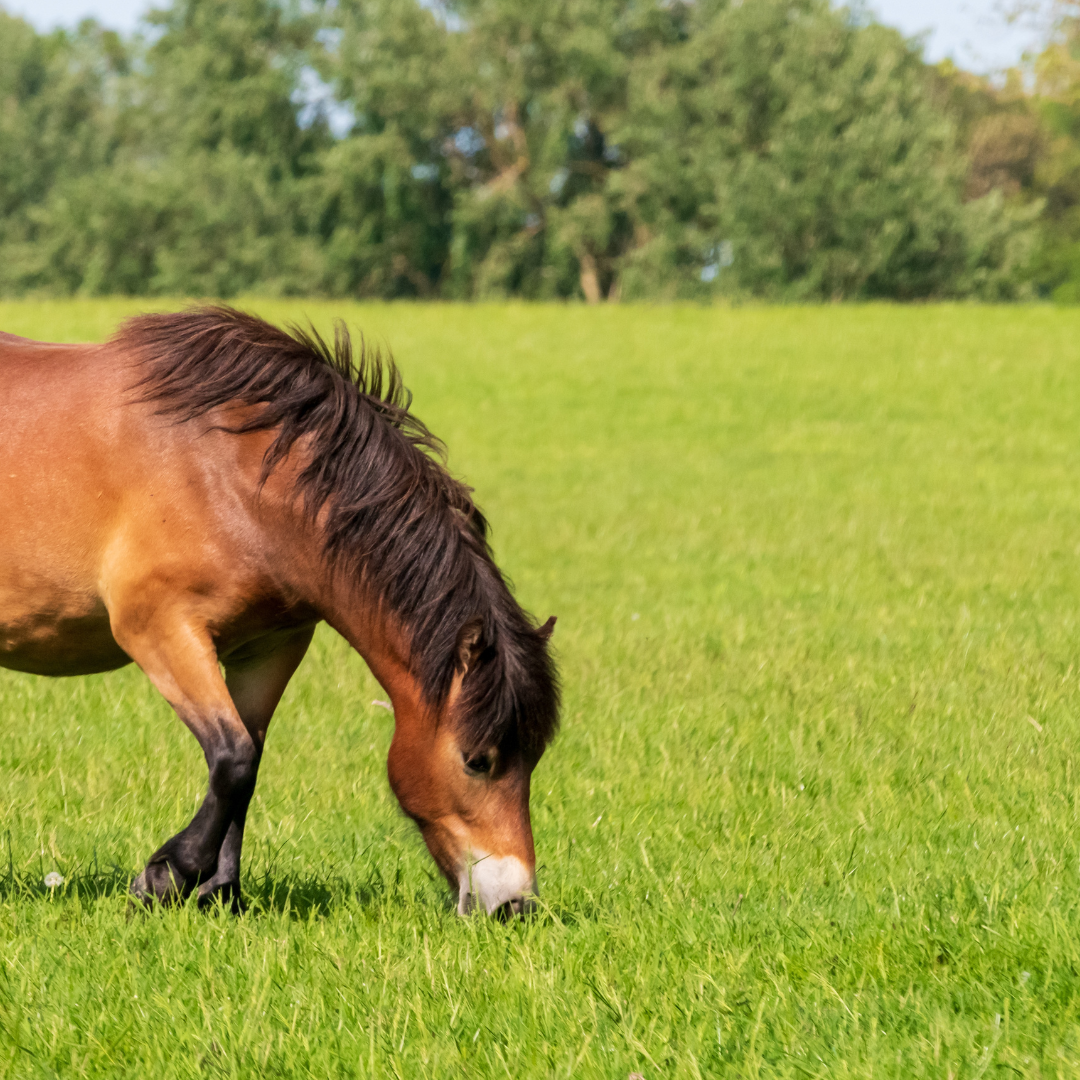
Stay Vigilant: Grass Sugars Remain High This Week
Grass sugar levels in the UK remain high at 10.40% for the week commencing 24th June, according to GrassCheckGB. Despite a slight decrease from last week, elevated sugar levels continue to pose health risks to horses, including laminitis, insulin resistance, and digestive issues.

- by Ben Nedas
Warning: Grass Sugars are at the Highest Levels So Far This Year!
Recent data from GrassCheckGB shows that grass sugars are currently at their highest levels so far this year, reaching 11.10% for the week commencing 17th June. This poses potential risks to horses that are sensitive to these fluctuations.