

News

- by Eleni Makraki
Horses of the week – Ailsa Sexton’s Journey with Equinectar
With a focus on feeding natural products, gut health and limiting sugar Ailsa discovered Equinectar which has undoubtedly turned all her horses inside out both mentally and physically.

- by Eleni Makraki
Celebrity Horse of the Week – Pineau de Re
Pineau de Re, a French-bred racehorse, made history by winning the 2014 Grand National at Aintree at 25/1. After starting in National Hunt Flat races, he gained recognition with a win in the 2013 Ulster Grand National. Post-Grand National, Pineau de Re continued racing until 2016. In retirement, he was retrained for eventing, showjumping, and hunting, later enjoying a quieter life with owner Lizzie. At 22, he thrives in retirement, bonding with Lizzie’s young son and other retired racehorses like Neptune Collonges, living a peaceful life filled with love and admiration.

- by Eleni Makraki
Faecal Microbiota Transplantation in Horses: A Comprehensive Overview
This article explores faecal microbiota transplantation in horses, a novel therapeutic approach in equine medicine offering promising results for various gastrointestinal disorders.

- by Eleni Makraki
Horses of the Week- Emma Chapman’s Equestrian Journey
These success stories showcase Emma Chapman’s expertise in training and rehabilitation across different breeds and disciplines, supported by her comprehensive approach to nutrition and care.
- by Eleni Makraki
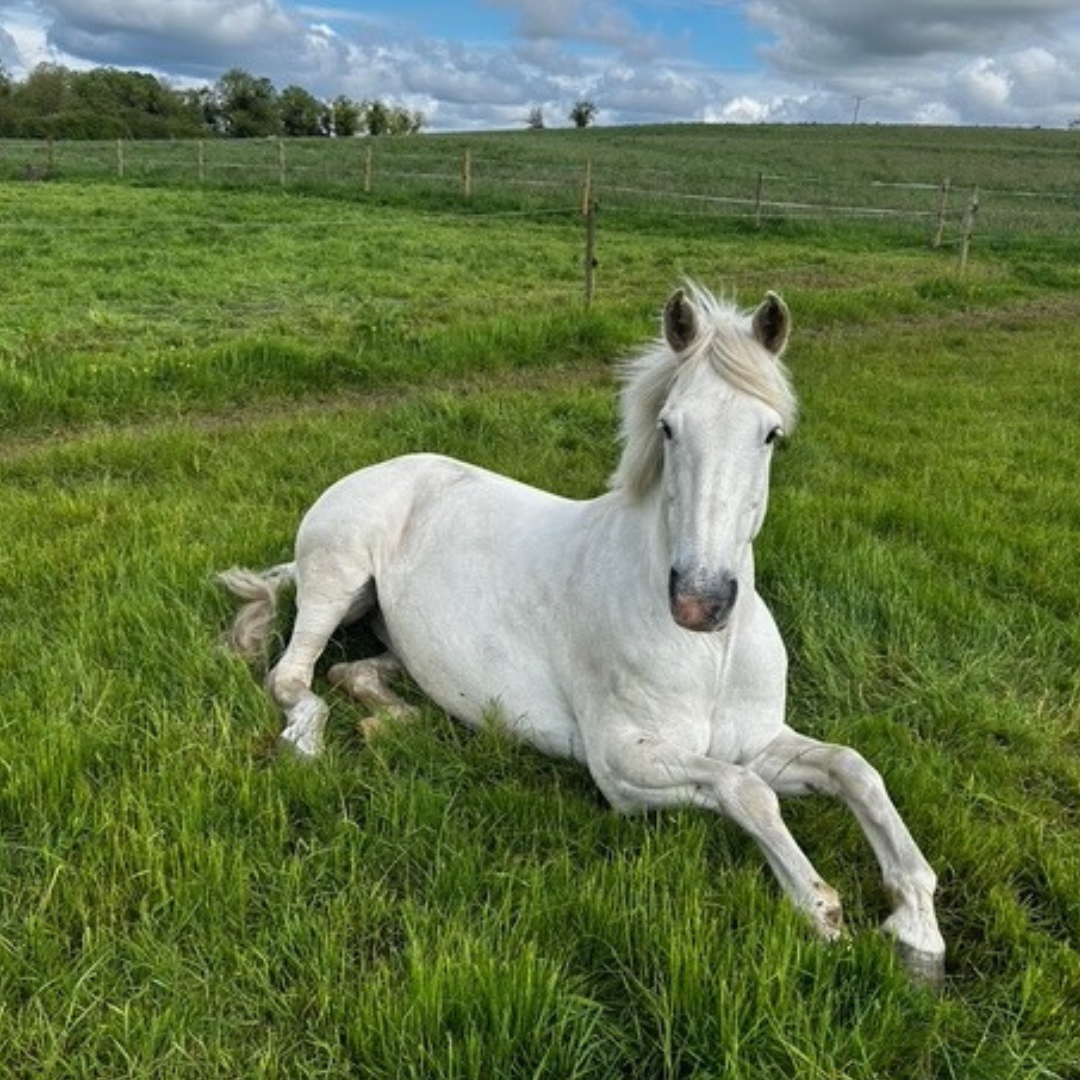
Hicks, a Connemara x Irish Draught, is highly sensitive to rich feed and forage, struggles to keep weight on, and can be very fussy with his food. Since starting Equinectar in August 2023, he has shown remarkable improvements in his temperament, coat condition, and overall well-being.

- by Eleni Makraki
EquiNectar® has made a significant difference for Alex, a 17h chestnut struggling with hind gut challenges. With adjustments to his grass intake and forage management, guided by expert advice, Alex is now more comfortable and requires fewer additional products. Symptoms like bloating, touch sensitivity, oversensitivity to sound, and behavioural issues have improved noticeably.