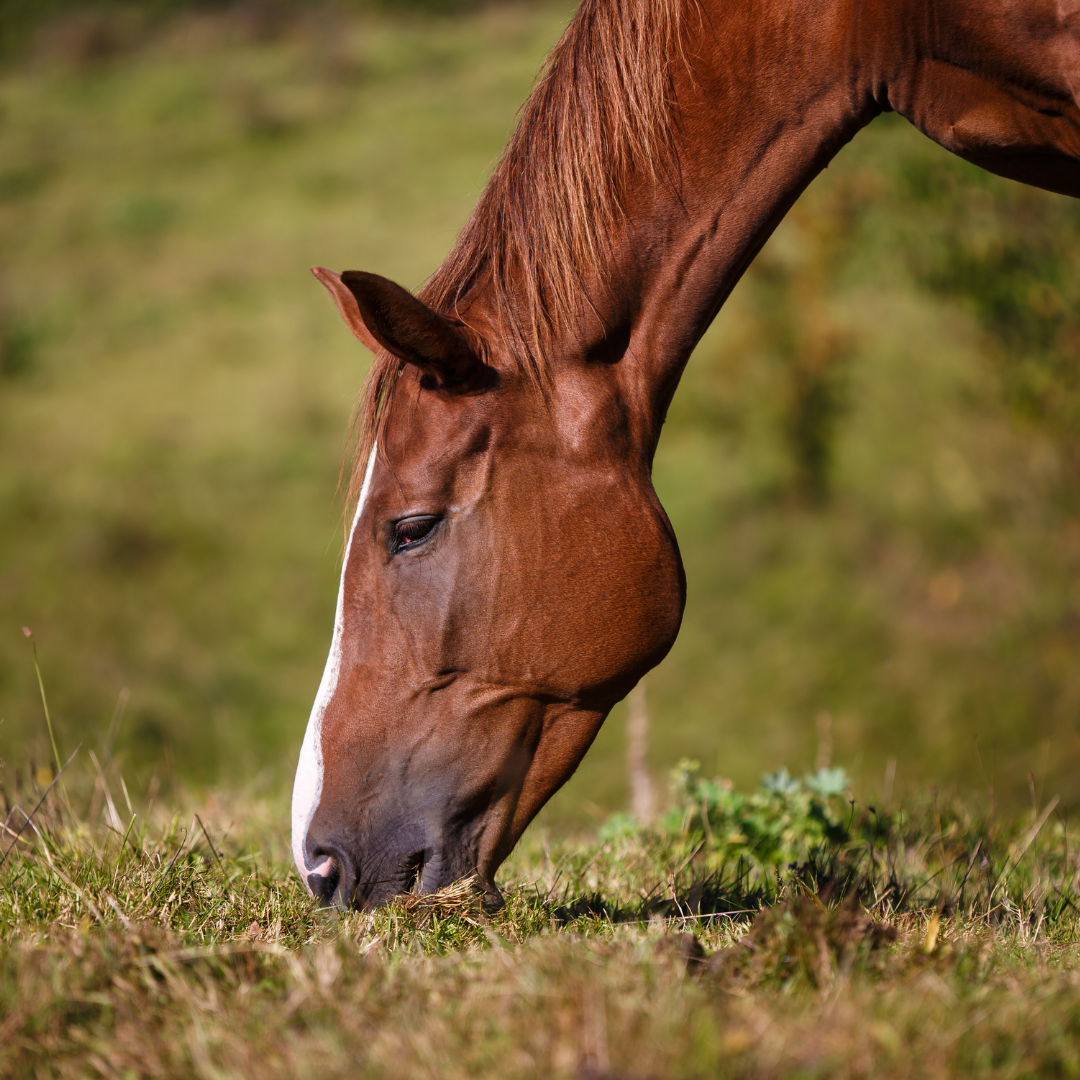
Numerous types of grass contain fructans, a type of carbohydrate. Fructan levels in grass are highest when the days are sunny and the nights are cool. As part of managing their horses, horse owners should be aware of the fructan content of their pasture. We’ll take a quick look at why below.
A horse’s capacity to digest fructans is limited. Malfermentation in the hindgut is a possibility if a horse consumes more fructans than it can break down.
Malfermentation is a term used to describe the process by which undigested fructans or starches ferment in the hindgut of a horse. This process produces lactic acid and other byproducts that can be toxic to horses.
An analysis of the horse’s microbiome would likely show an increase in the number of lactic acid producing bacteria and a decrease in other beneficial bacteria, which are critical for maintaining a healthy digestive system. This change in the microbiome can lead to a range of digestive problems, including abdominal discomfort, weight loss, changes in appetite, and decreased performance. If this situation persists, serious health consequences can result.
Here are a few steps horse owners can take to manage this: