

- by Eleni Makraki
Winter Colic: How Cold Weather Increases the Risk of Digestive Issues in Horses
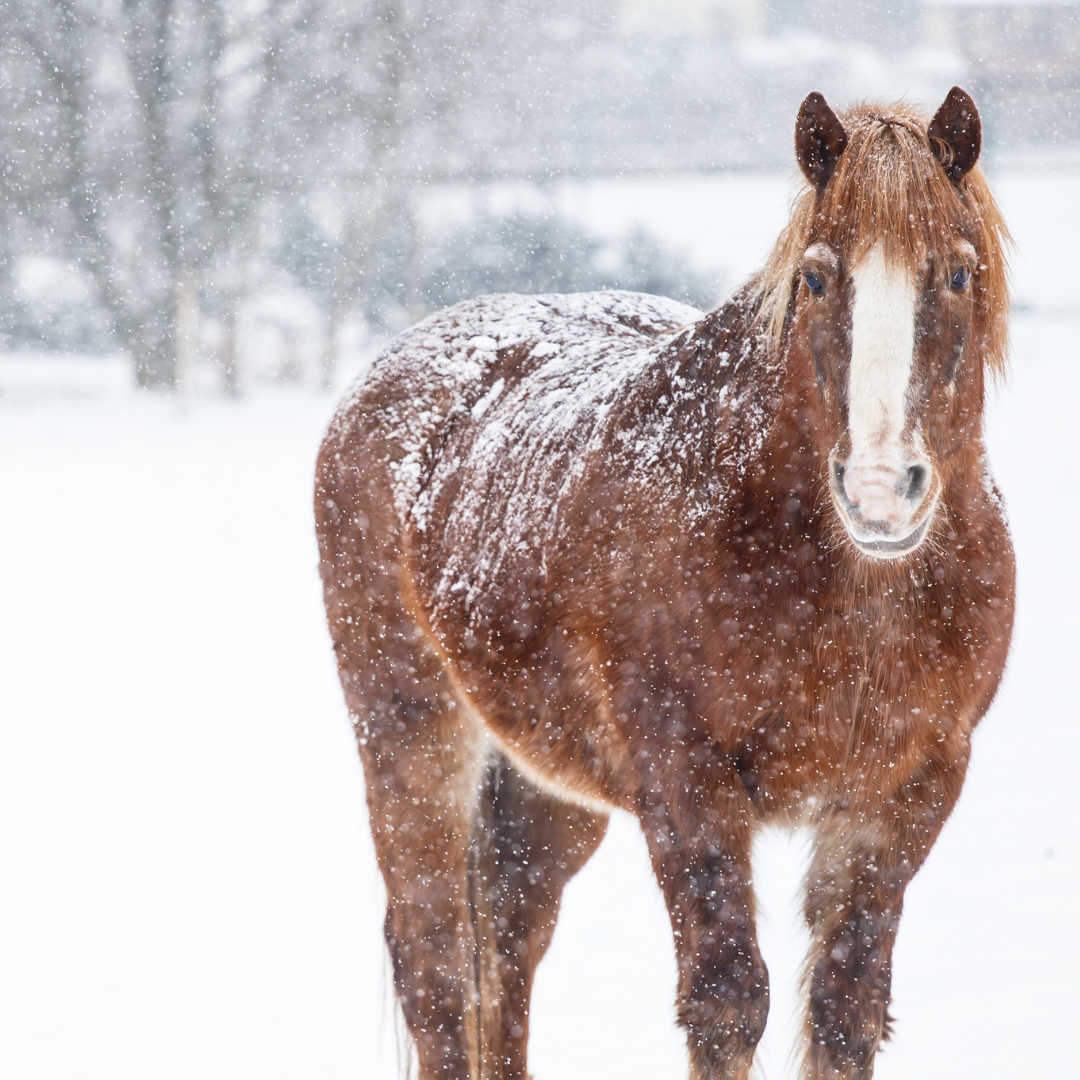
Winter poses unique risks for horses, including an increased likelihood of colic. Reduced water intake, reliance on dry feeds like hay, and limited exercise can disrupt gut function, leading to impaction or gas colic. Sudden changes in routine and cold-induced stress further exacerbate these risks. Preventive measures include ensuring hydration with warmed water, providing high-quality forage, maintaining regular exercise, and supporting gut health with digestive aids like EquiNectar.
- by Ben Nedas
Impaction Colic in Horses: An Overview and Seasonal Risks
Impaction colic is a common and potentially serious condition in horses, characterised by a blockage in the intestines due to firm, dry masses of feed material. Given the sensitivity of the equine digestive system, understanding and managing this condition is crucial for horse owners.
- by Ben Nedas
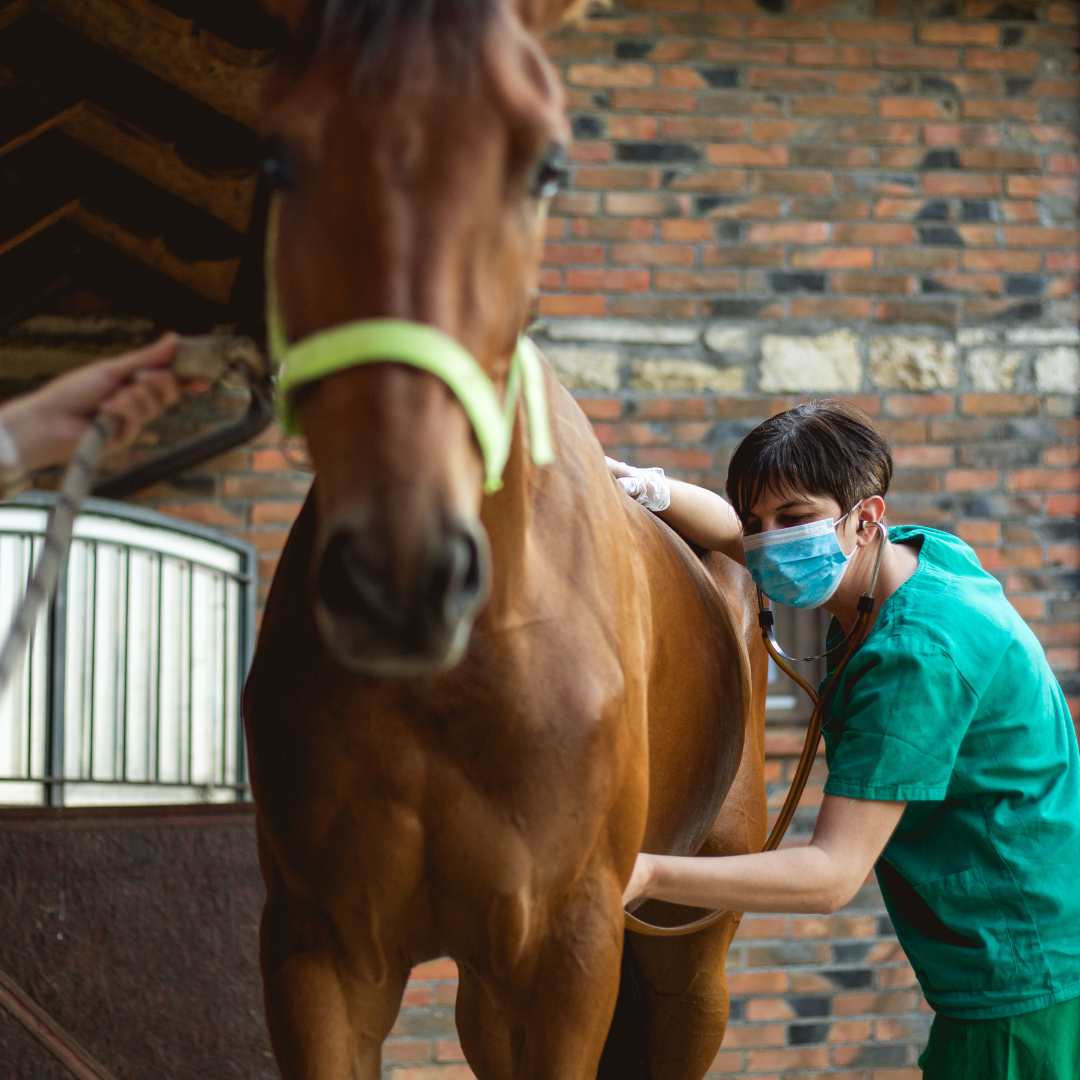
The term “colic” is used to describe an indication of abdominal (belly) pain, which in horses is typically brought on by gastrointestinal disturbances. Signs of colic symptoms can be mild to severe, but the underlying cause is not always related to the severity of the signs; and critical (life-threatening)