

News
- by Ben Nedas
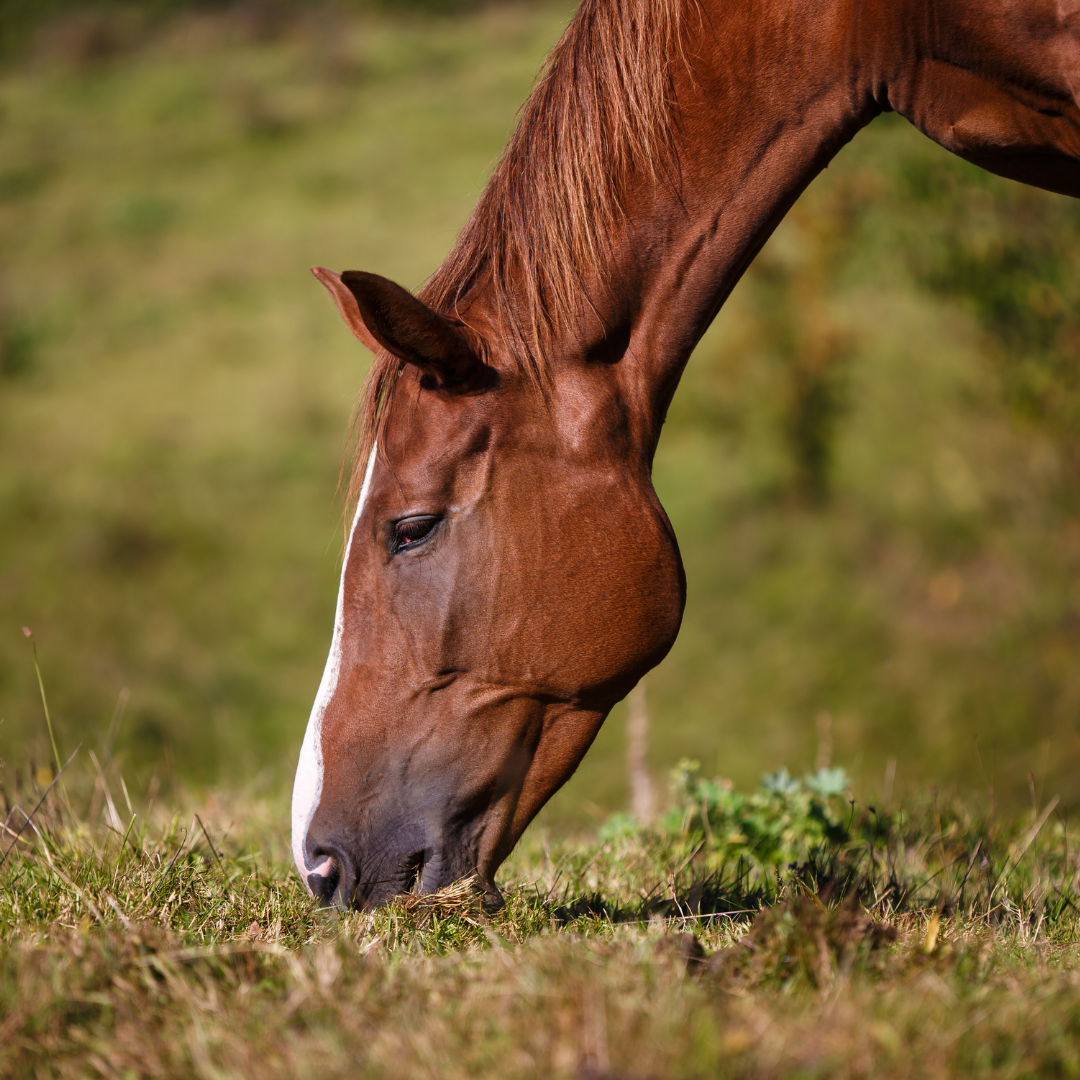
Numerous types of grass contain fructans, a type of carbohydrate. Fructan levels in grass are highest when the days are sunny and the nights are cool. As part of managing their horses, horse owners should be aware of the fructan content of their pasture.
- by Ben Nedas
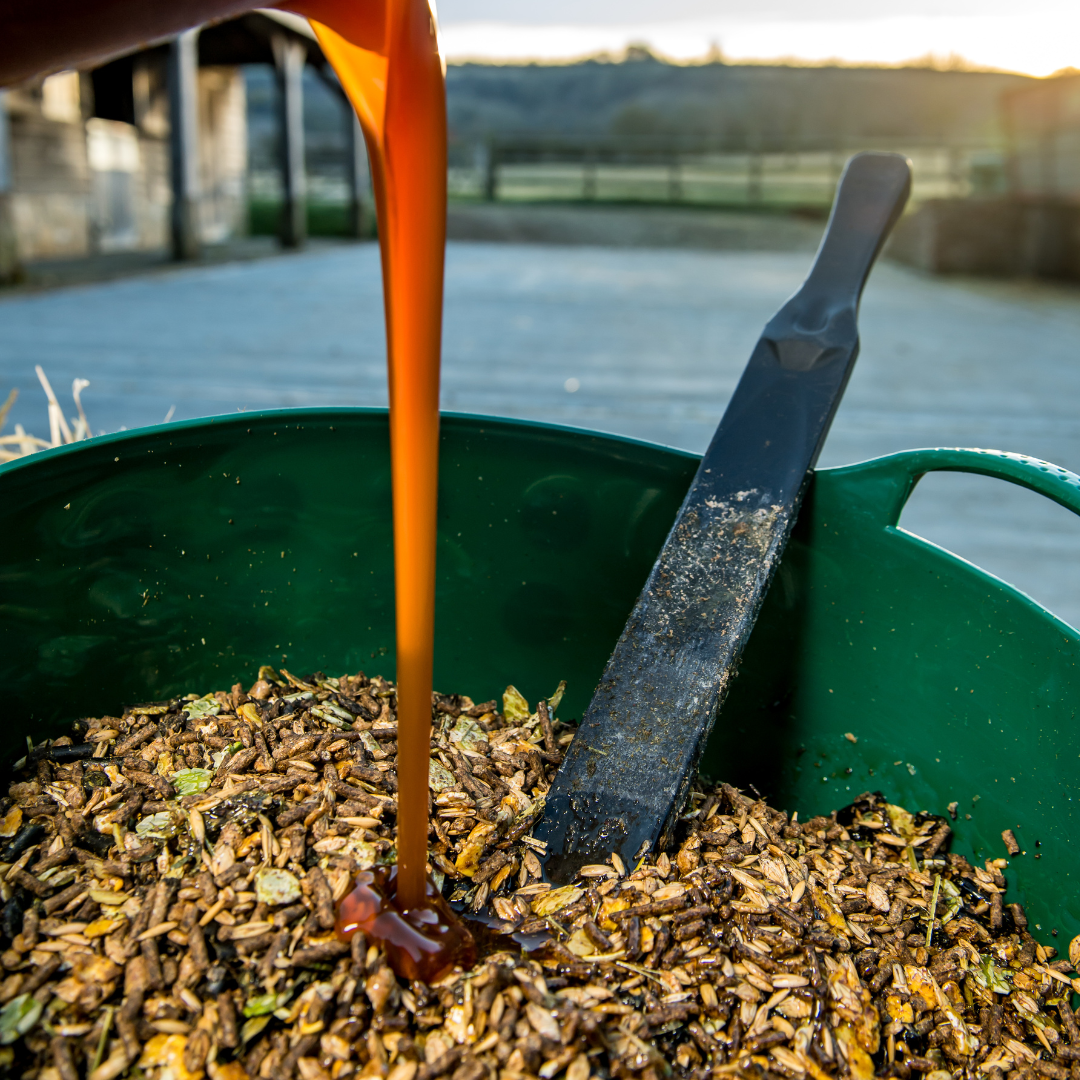
How EquiNectar is made – harnessing the enzymes from barley for your horse
Learn how EquiNectar is made and take a look at our manufacturing process.
- by Ben Nedas
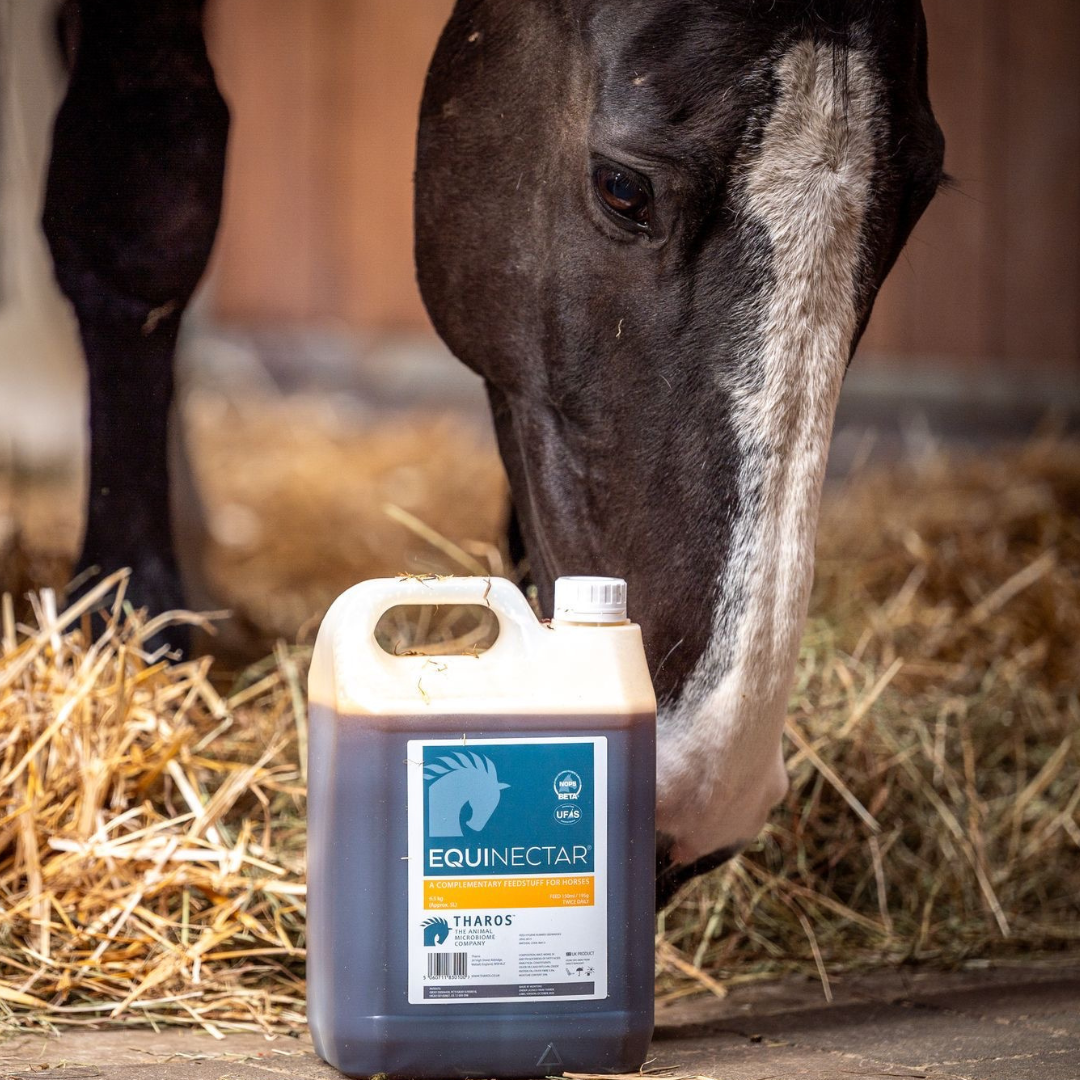
EquiNectar Ingredients & Enzymes
Natural digestive enzymes from malt extract help horses break down feed more efficiently.
- by Eleni Makraki
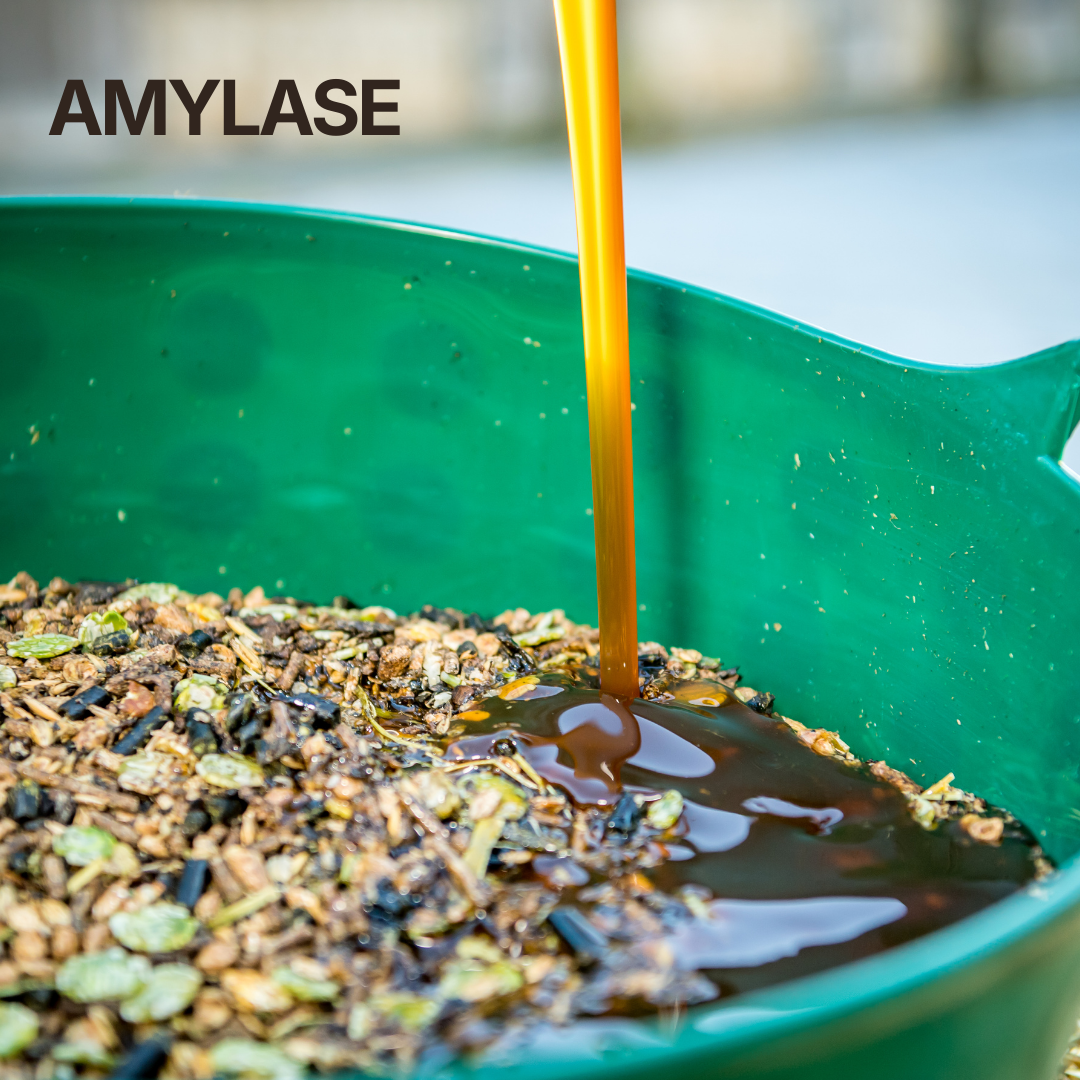
Horses produce amylase in their salivary glands and pancreas. When a horse eats, the salivary glands release amylase into the mouth, where it begins to break down complex sugars in the food. This process helps to pre-digest the food before it reaches the stomach and intestines, where the rest of the digestive process takes place.
- by Eleni Makraki
The role of cellulase in a horse is to break down complex sugars found in plant cell walls, such as cellulose, into simpler sugars that the horse can use for energy. This process aids in the digestion of forage and hay, which are major components of a horse’s diet. By breaking down cellulose, cellulase helps the horse to extract energy from these plant-based feeds and maintain their overall health and well-being.
- by Eleni Makraki
The role of xylanase in a horse is to break down complex sugars found in plant cell walls, such as xylan, into simpler sugars that the horse can use for energy. This process aids in the digestion of forage and hay, which are major components of a horse’s diet. By breaking down xylan, xylanase helps the horse to extract energy from these plant-based feeds and maintain their overall health and well-being.