

News

- by Ben Nedas
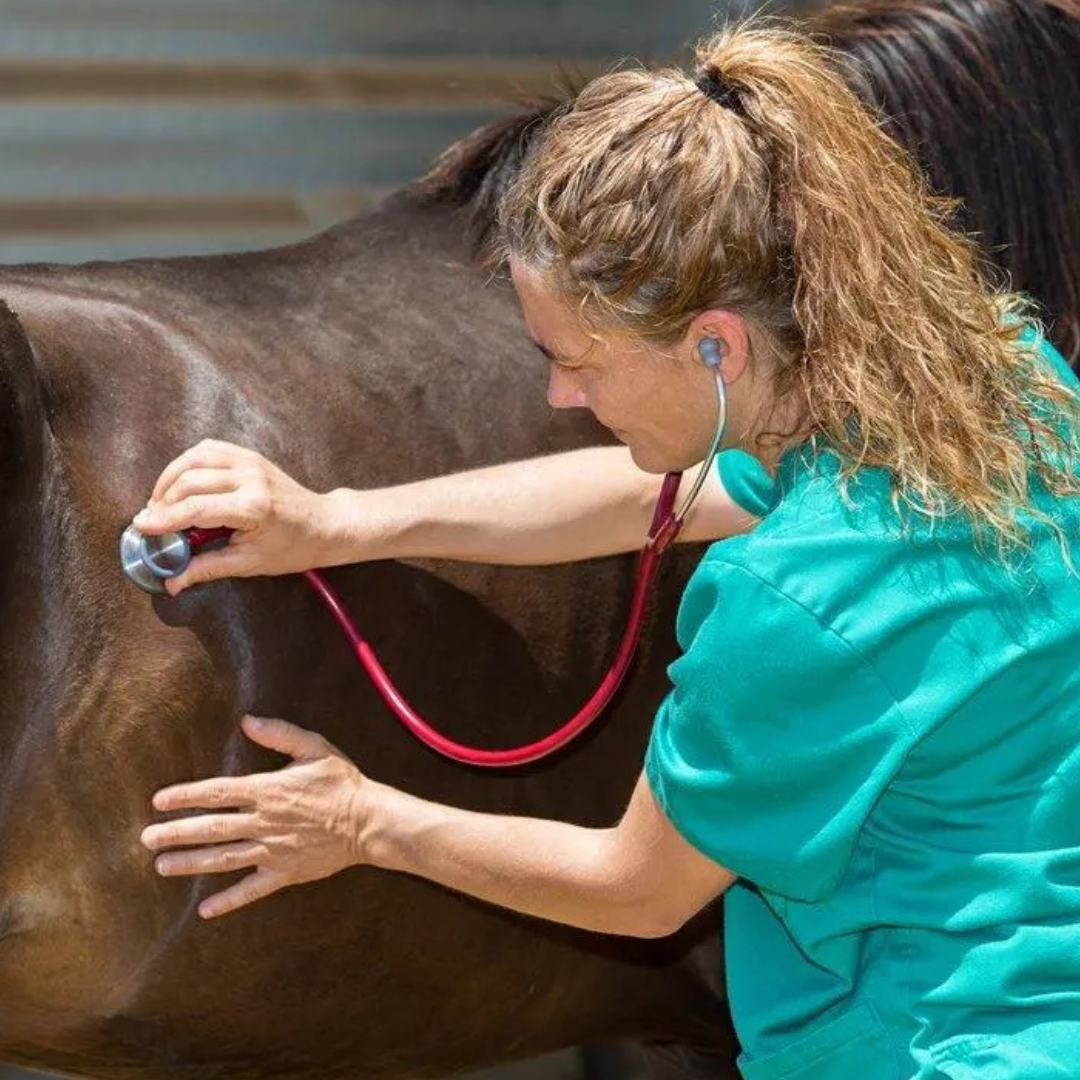
One of our customers, Rachel Shields, sent us this touching story: “Unfortunately we have the worst experience of gas colic. Our mare MiMi had gas colic several times leading up to March 2021 when she had a particularly bad episode which led to her being admitted to our local equine hospital."
- by Ben Nedas
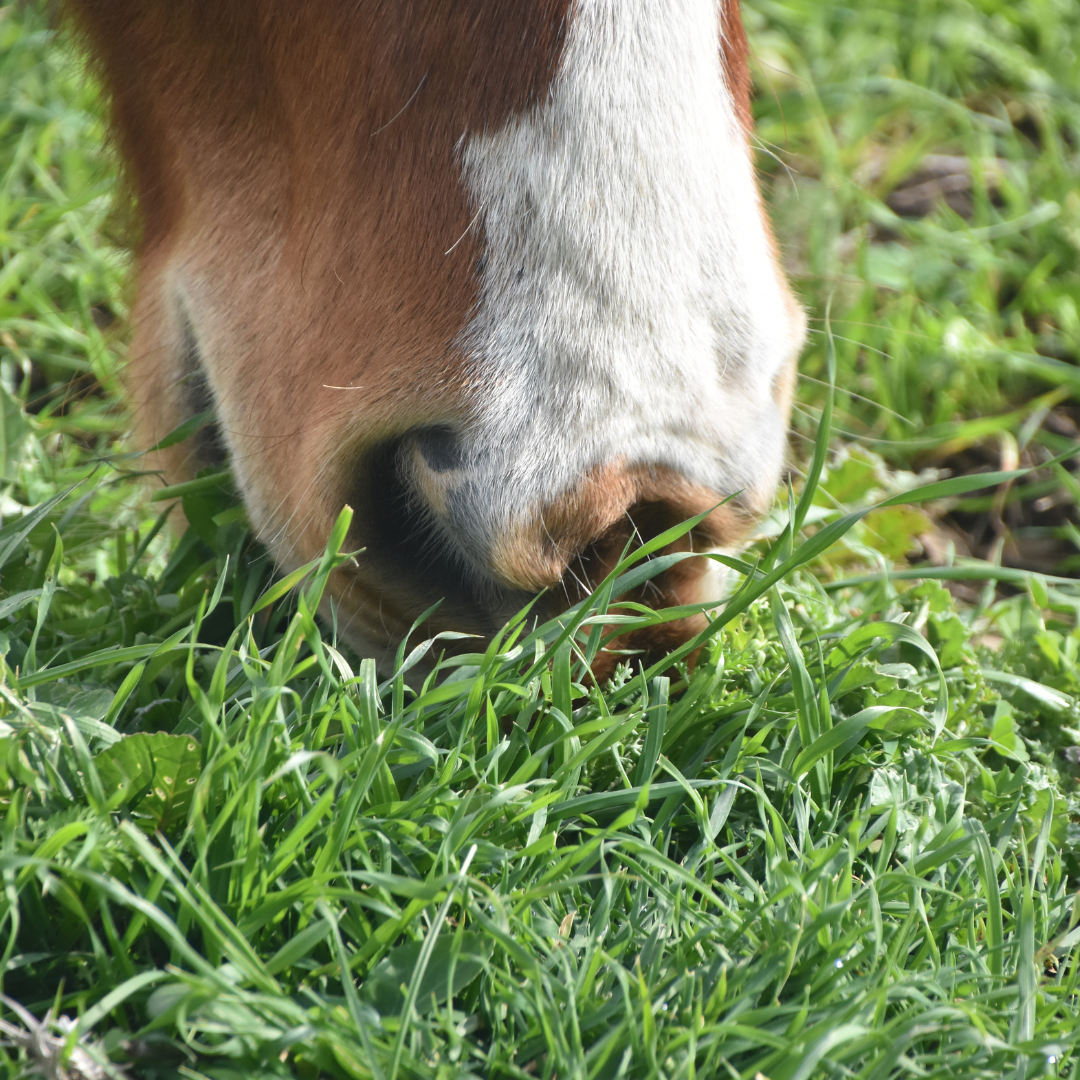
Spring's Green Peril: Navigating the Risks of Lush Grass and Colic in Horses
Spring grass is rich, nutritious and in susceptible horses, a cause of colic. Learn how to navigate the risks with help from a senior vet and two equine nutritionists.
- by Ben Nedas
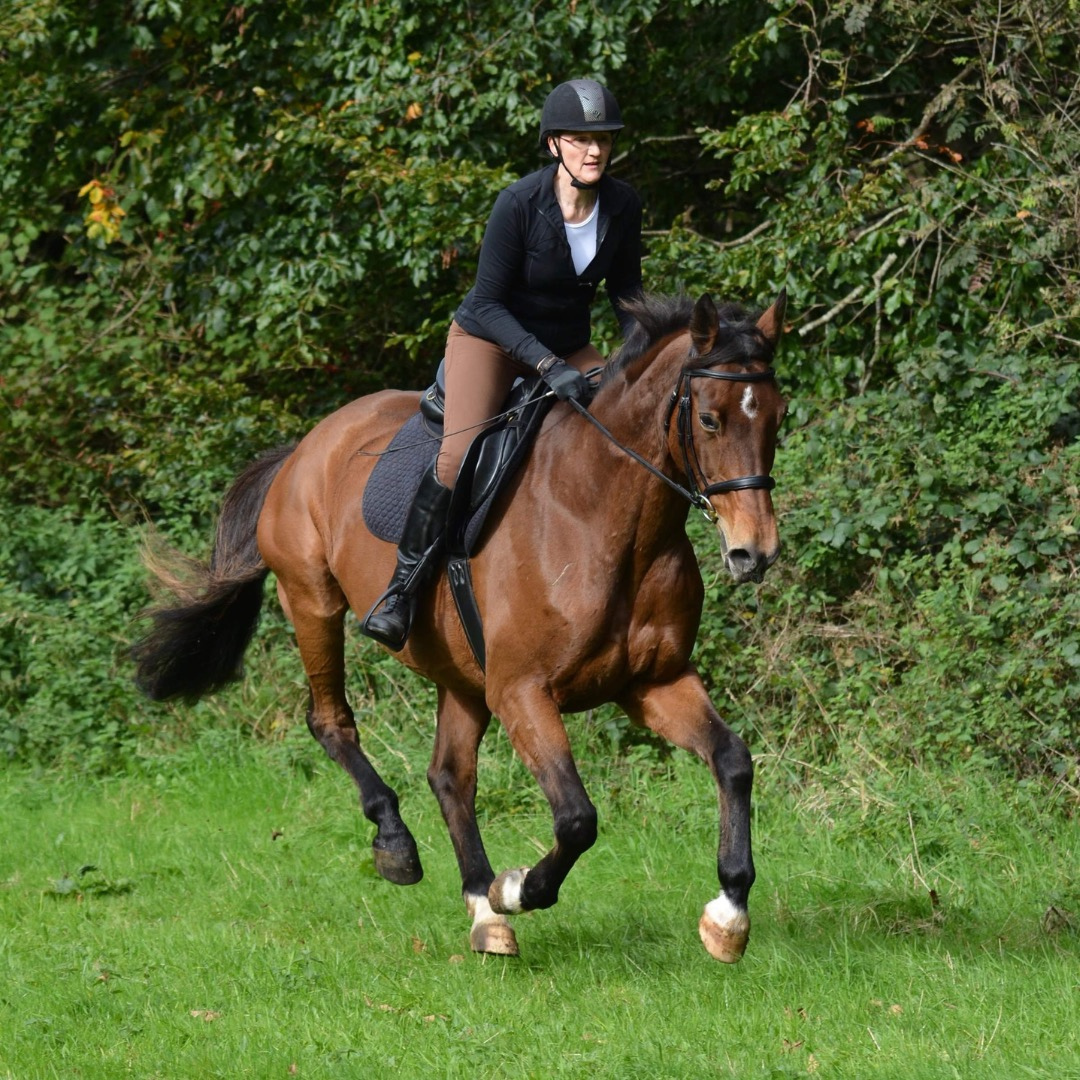
A Customer’s Journey with EquiNectar and Overcoming Colic Challenges EquiNectar customer since 2020, Debra Holland kindly shared her story with us.
- by Ben Nedas
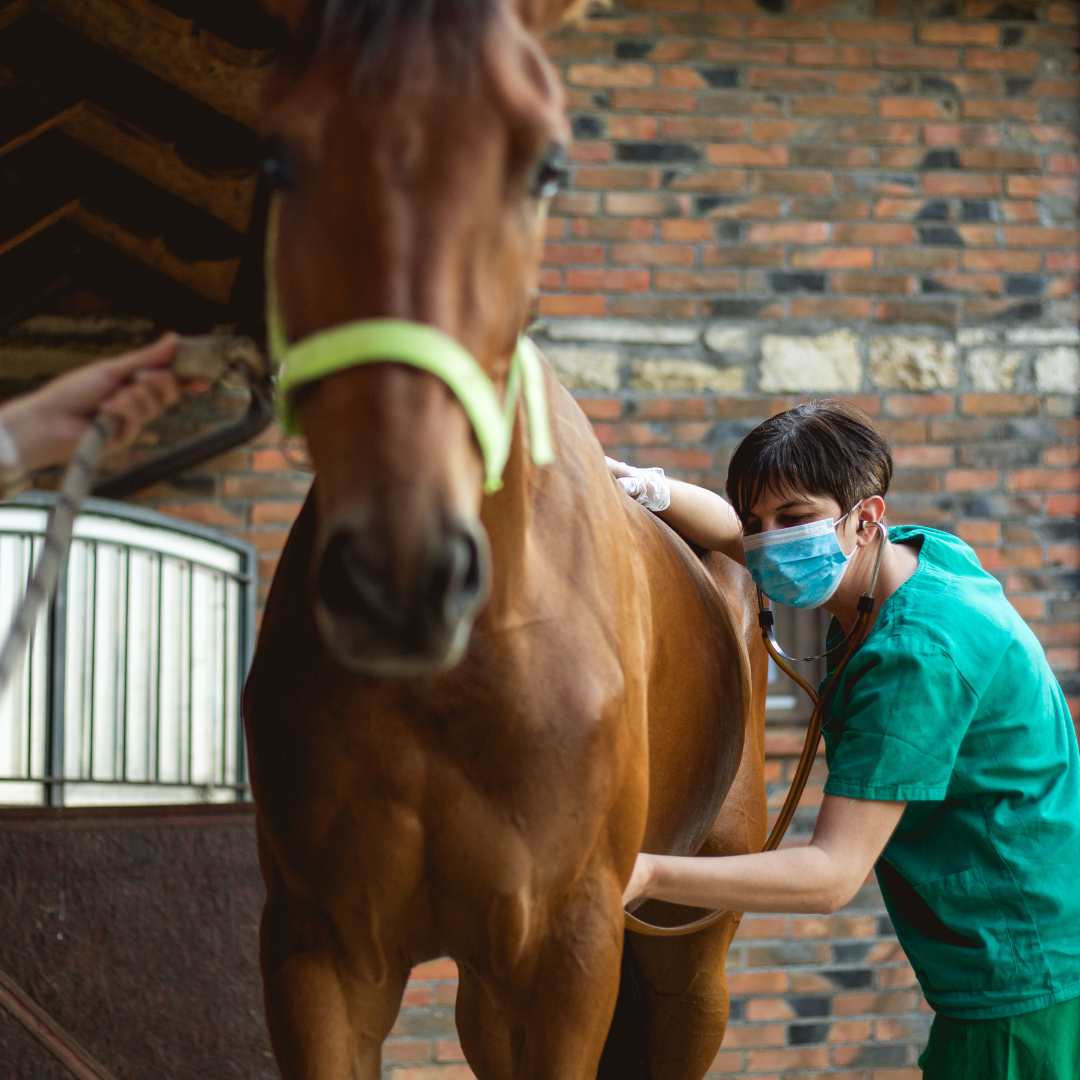
The term “colic” is used to describe an indication of abdominal (belly) pain, which in horses is typically brought on by gastrointestinal disturbances. Signs of colic symptoms can be mild to severe, but the underlying cause is not always related to the severity of the signs; and critical (life-threatening)
- by Ben Nedas
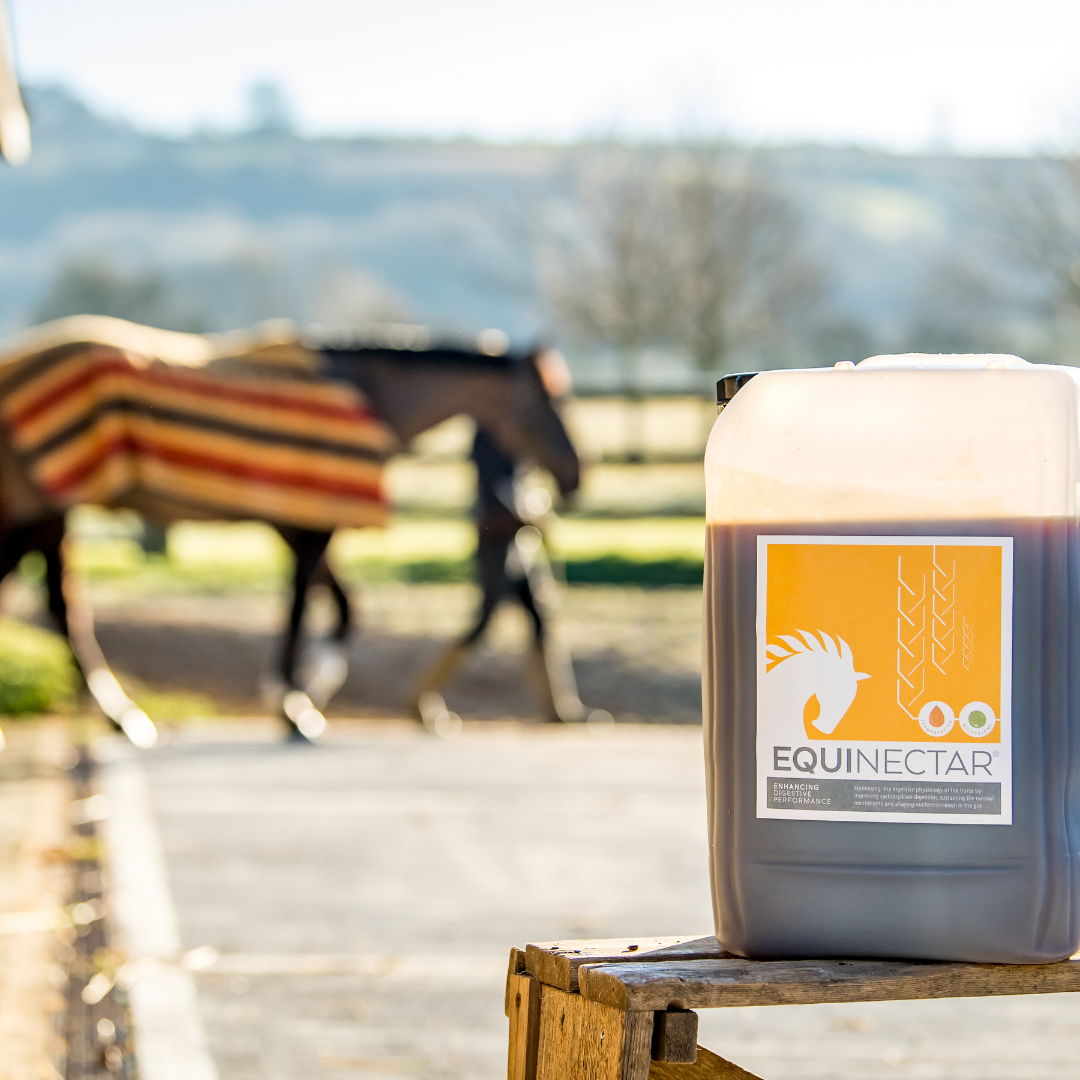
EquiNectar’s transformative impact on Therapy Horses
At EquiNectar, we revel in the stories and experiences of our valued customers. Today, we’re turning the spotlight onto The Equivalent Project CIC, an admirable community interest company spearheaded by Bekah Maxwell. Join us as we explore the transformative journey of three therapy horses using EquiNectar.