
News

- by Ben Nedas
The Magnesium Paradox: Why 'Calming' Supplements Can Cause Hyper-Reactivity
Magnesium is widely used to calm nervous horses — but over-supplementation may trigger the opposite effect, causing increased spookiness and visual hyper-reactivity.
- by Eleni Makraki
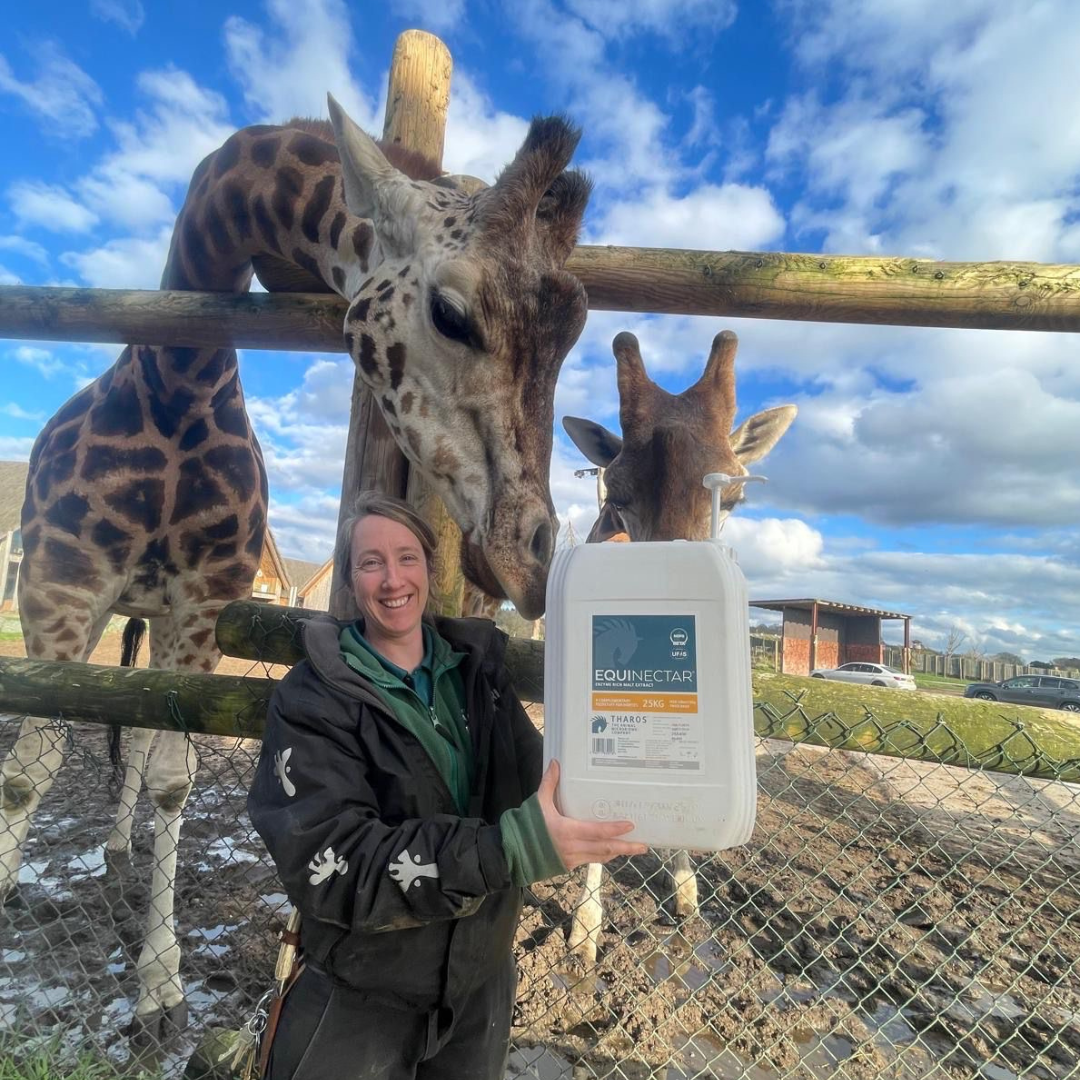
We're Reaching New Heights… Literally
We're reaching new heights in digestive health! Even giraffes can't get enough of EquiNectar!
- by Eleni Makraki
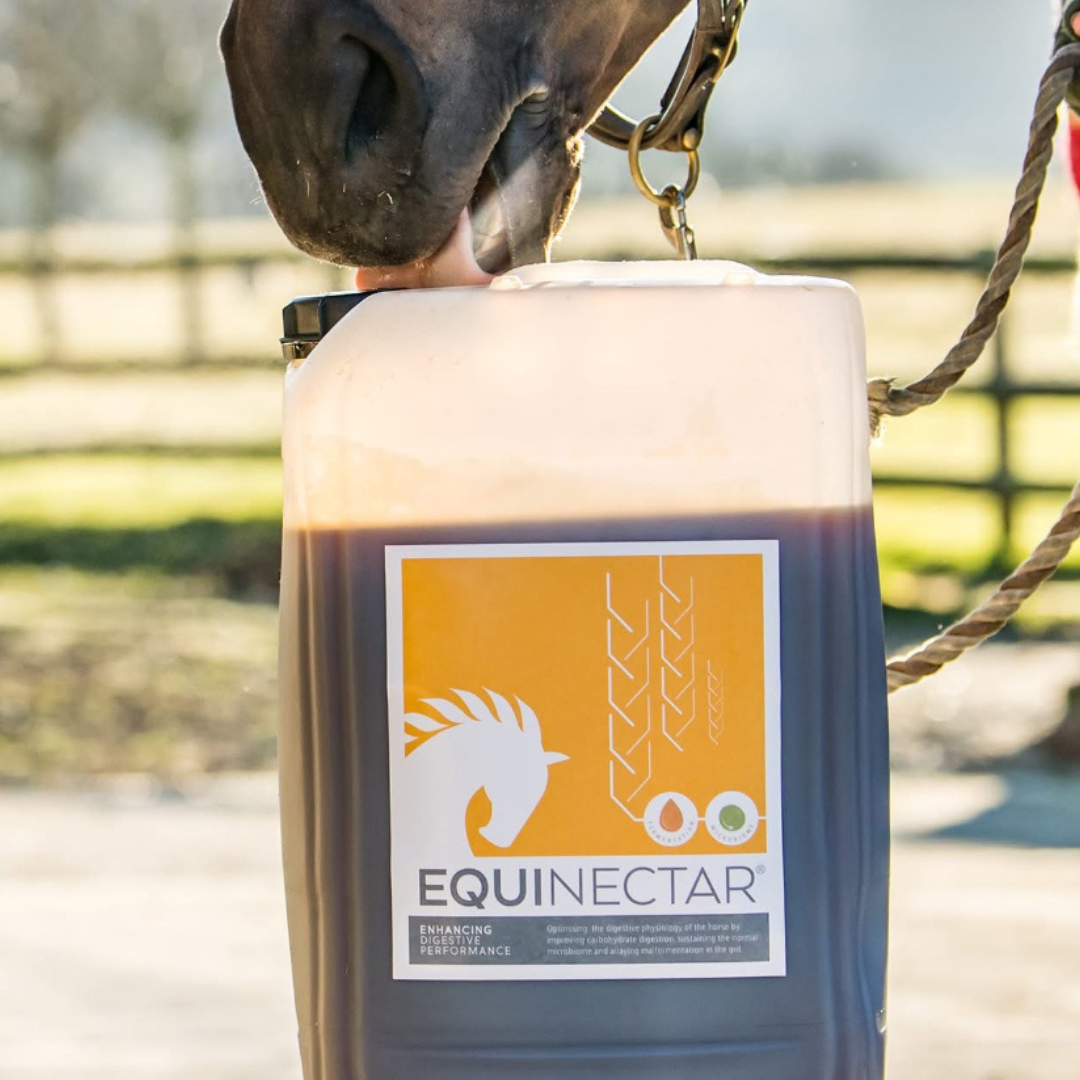
Is Your Horse's Gut Affecting Their Mood
Emerging research reveals a surprising link between your horse's gut health, emotional wellbeing, and behaviour — and it may explain more than you think.

- by Eleni Makraki
Exciting News: Join the Gut Health Research Study
JUVIA, Tharos Ltd's sister company for human gut health, is partnering with OMED Health on a new research study. Join us and receive up to £40 in vouchers.

- by Ben Nedas
Why February is ideal to add EquiNectar to your horse’s routine
Initiating EquiNectar supplementation in February is a strategic measure, rooted in the understanding that the equine gut microbiome requires a period of 4-6 weeks to optimally adjust to dietary changes.
- by Eleni Makraki
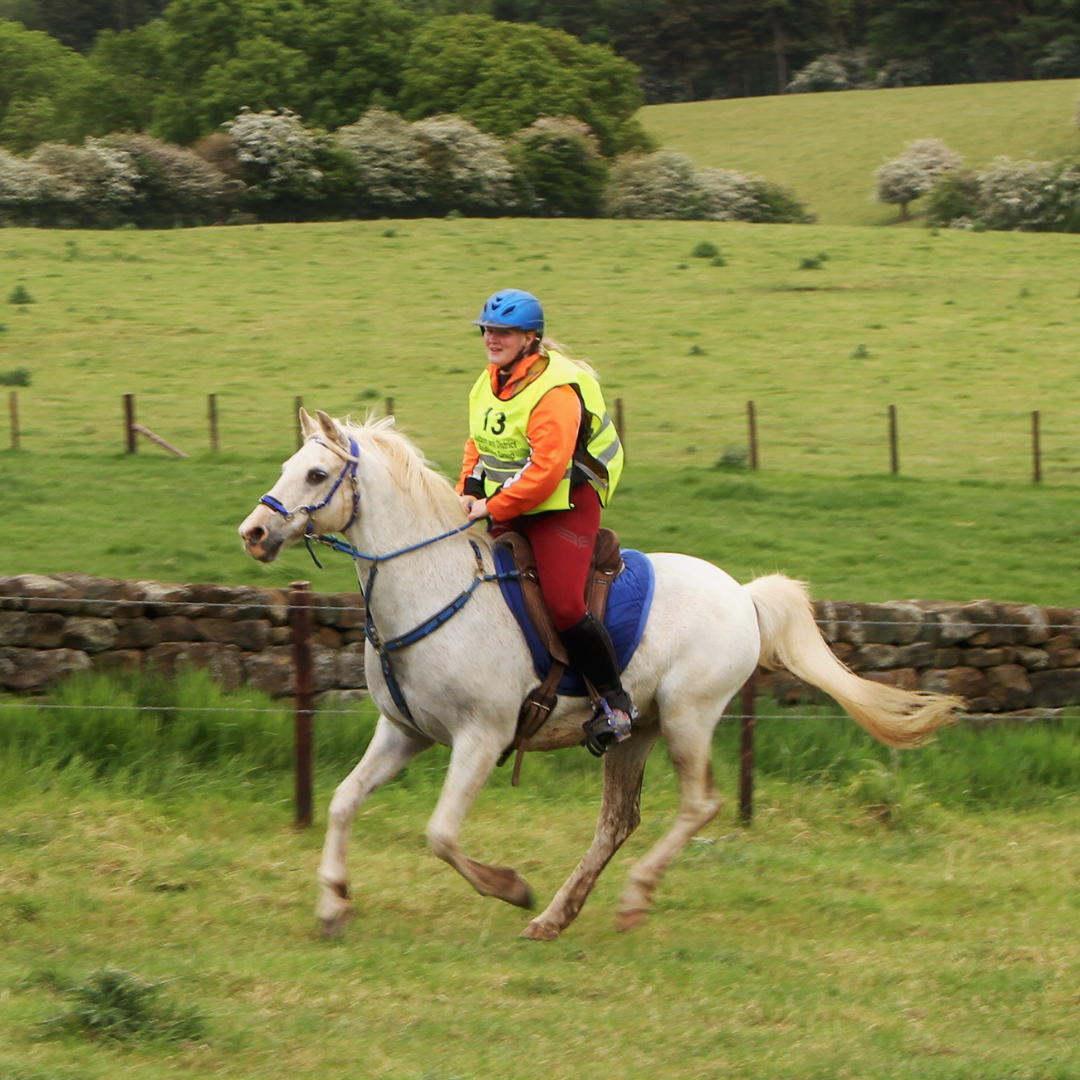
Meet Vanilla, Sarah's 28-year-old pony who couldn't gain weight despite everything. EquiNectar transformed him in a month - now he's healthy and thriving!